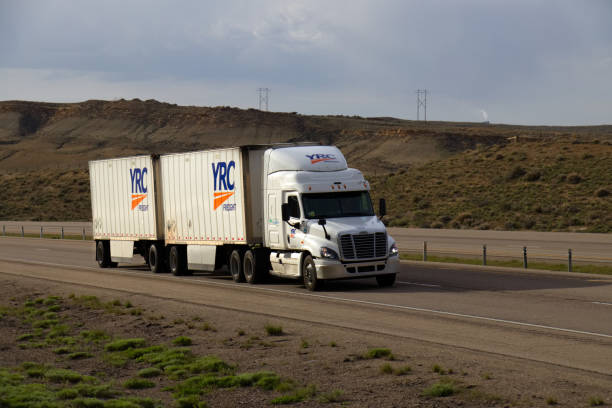
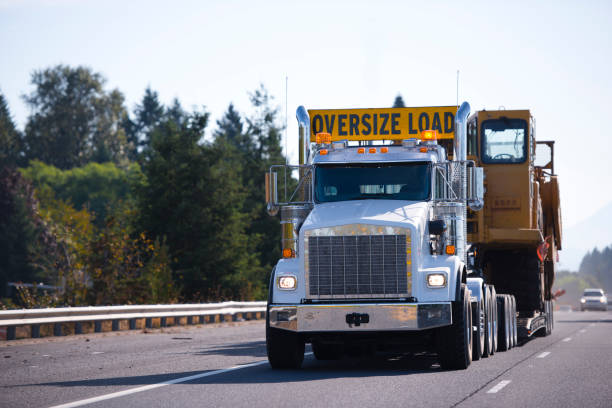
Heavy and oversized freight shipping plays a critical role in global and domestic supply chains. Industries such as construction, manufacturing, energy, and infrastructure rely on the safe movement of large, bulky, and exceptionally heavy cargo that cannot be transported using standard shipping methods.
Unlike regular shipments, heavy and oversized freight requires specialized equipment, route planning, permits, and careful coordination. One of the most commonly used solutions for such shipments is Full Truckload Freight, which provides dedicated space and capacity for large-scale cargo movement.
Companies like ACV Freight LLC support businesses by helping manage complex logistics requirements for oversized shipments across different regions. Understanding how this segment of logistics works is essential for businesses aiming to improve efficiency and reduce risks.
What Qualifies as Heavy & Oversized Freight
Heavy and oversized freight refers to cargo that exceeds standard legal limits for weight or dimensions set by transportation authorities. These limits vary by region but typically include:
- Excessive height beyond standard trailer clearance
- Wider-than-standard cargo loads
- Heavy machinery exceeding weight thresholds
- Industrial equipment or prefabricated structures
Examples include construction cranes, turbines, large manufacturing machines, and industrial tanks.
Because these shipments exceed normal transport limits, they require special handling and planning, often involving Oversized Cargo Transportation solutions.
Key Challenges in Transporting Oversized Freight
Transporting heavy and oversized freight comes with several logistical challenges:
1. Route Restrictions
Bridges, tunnels, and narrow roads may restrict movement, requiring alternative routes.
2. Permits and Regulations
Different states or countries require specific permits for oversized loads.
3. Equipment Limitations
Not all trucks and trailers can handle extreme weight or dimensions.
4. Safety Risks
Improper loading or securing of cargo can lead to accidents or damage.
5. Scheduling Complexity
Coordinating drivers, escorts, and authorities adds time to the delivery process.
These challenges make proper planning essential for successful Heavy & Oversized Freight Shipping operations.
Regulations, Permits, and Compliance Requirements
Regulatory compliance is one of the most important aspects of oversized freight transportation. Authorities impose strict guidelines to ensure public safety and infrastructure protection.
Key requirements often include:
- Oversized load permits from transport departments
- Escort or pilot vehicles for wide loads
- Restricted travel hours (often daytime or off-peak hours)
- Route approval for bridges and highways
- Weight distribution compliance
Failure to comply with these regulations can result in fines, delays, or shipment rejection.
Logistics providers like ACV Freight LLC help coordinate compliance requirements to ensure shipments move smoothly through regulatory checkpoints.
Role of Full Truckload Freight in Heavy Haul Logistics
Full Truckload Freight plays a significant role in transporting heavy and oversized cargo. Unlike less-than-truckload shipments, Full Truckload Freight dedicates an entire trailer to a single shipment.
Benefits include:
- Reduced handling and lower risk of damage
- Better control over shipment scheduling
- Ability to accommodate large and heavy loads
- Improved transit efficiency
In Heavy Haul Logistics, Full Truckload Freight is often the preferred option because it ensures stability and minimizes transfer points.
For oversized shipments requiring specialized planning, ACV Freight LLC coordinates Full Truckload Freight solutions tailored to cargo requirements.
Equipment Used for Heavy and Oversized Shipments
Transporting oversized freight requires specialized equipment designed for strength, stability, and flexibility.
| Equipment Type | Purpose |
|---|---|
| Flatbed Trailers | Transport wide and irregular cargo |
| Lowboy Trailers | Carry extremely tall equipment |
| Extendable Trailers | Accommodate extra-long freight |
| Multi-Axle Trailers | Distribute heavy weight evenly |
| Cranes and Loaders | Assist in loading/unloading |
Selecting the right equipment is crucial for safe Oversized Cargo Transportation.
Step-by-Step Process of Heavy Freight Transportation
Heavy freight transportation follows a structured process:
Step 1: Cargo Assessment
Dimensions, weight, and handling requirements are evaluated.
Step 2: Route Planning
Safe and accessible routes are mapped.
Step 3: Permit Acquisition
Necessary approvals are obtained from authorities.
Step 4: Equipment Selection
Appropriate trailers and vehicles are assigned.
Step 5: Loading and Securing
Cargo is carefully loaded and secured to prevent movement.
Step 6: Transportation
Shipment is moved under supervision, sometimes with escort vehicles.
Step 7: Delivery and Unloading
Cargo is safely delivered and unloaded at the destination.
ACV Freight LLC often follows similar structured processes to ensure safe and efficient logistics execution.
Cost Factors in Heavy & Oversized Freight Shipping
The cost of transporting oversized freight depends on multiple variables.
|
Cost Factor |
Description |
|---|---|
| Distance | Longer routes increase fuel and labor costs |
| Weight & Size | Larger loads require specialized equipment |
| Permits | Regulatory fees vary by region |
| Escort Services | Additional safety vehicles may be required |
| Equipment Type | Specialized trailers increase cost |
| Route Complexity | Detours or restricted areas add expenses |
Understanding these factors helps businesses plan budgets effectively for Full Truckload Freight and oversized shipments.
Importance of Choosing the Right Logistics Partner
Selecting the right logistics partner is critical for managing Heavy & Oversized Freight Shipping efficiently.
A reliable provider ensures:
- Proper documentation and compliance
- Safe handling and transport
- Timely delivery
- Efficient route planning
- Risk reduction during transit
Companies such as ACV Freight LLC specialize in coordinating complex freight movements. Their expertise in Full Truckload Freight and Oversized Cargo Transportation helps businesses manage logistics with fewer disruptions.
Common Mistakes to Avoid
Businesses often face delays or losses due to avoidable mistakes:
- Underestimating permit requirements
- Choosing incorrect trailer types
- Poor load securing methods
- Ignoring route restrictions
- Inadequate planning timelines
Avoiding these issues is essential for successful Heavy Haul Logistics operations.
Safety Considerations in Heavy Freight Handling
Safety is a top priority in oversized freight transport. Key safety measures include:
- Proper load balancing and securing
- Use of trained operators and drivers
- Compliance with weight regulations
- Escort vehicles for high-risk routes
- Regular inspection of equipment
Following these precautions ensures safe and efficient transportation of heavy cargo.
Conclusion
Heavy and oversized freight shipping requires careful coordination, specialized equipment, and strict compliance with regulations. From route planning to safety management, every step plays a crucial role in ensuring successful delivery.
Understanding Full Truckload Freight and its role in Heavy Haul Logistics helps businesses optimize transportation efficiency while reducing risks. Working with experienced logistics providers like ACV Freight LLC can further streamline complex shipping operations.
For businesses seeking reliable logistics support, it is recommended to explore service options and reach out via contact us to discuss specific freight requirements and solutions.
Frequently Asked Questions (FAQ)
1. What is considered heavy and oversized freight?
Heavy and oversized freight includes cargo that exceeds standard legal limits for size or weight, such as industrial machinery and construction equipment.
2. Why is Full Truckload Freight used for heavy shipments?
Full Truckload Freight provides dedicated space, reducing handling and ensuring safer transportation for large and heavy cargo.
3. Do all oversized shipments require permits?
Yes, most oversized shipments require special permits depending on regional transportation laws.
4. What industries commonly use oversized freight services?
Industries like construction, energy, manufacturing, and infrastructure frequently use Oversized Cargo Transportation services.
5. How are costs calculated for heavy freight shipping?
Costs depend on distance, weight, permits, equipment type, and route complexity.
6. How does ACV Freight LLC support heavy freight logistics?
ACV Freight LLC assists with planning, compliance, and coordination of Full Truckload Freight and oversized shipments.