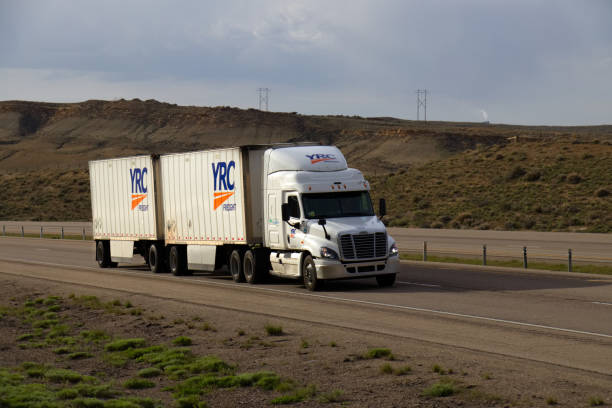
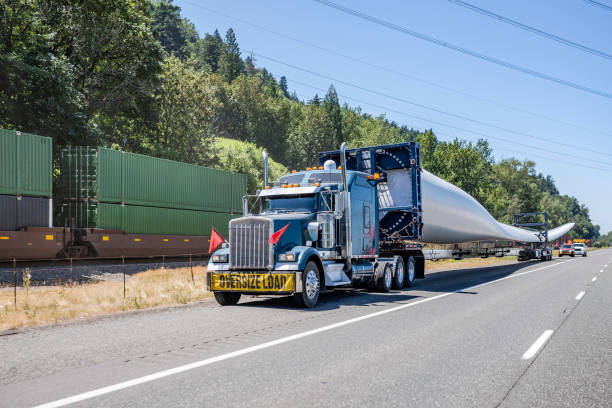
Hazmat freight shipping involves the transportation of hazardous materials that pose potential risks to health, safety, property, or the environment. These materials require specialized handling, packaging, documentation, and compliance with strict regulations.
Businesses that rely on hazardous material transport must understand the complexities involved in moving such goods across regions or internationally. Working with a reliable shipping company overseas is often necessary for global operations, especially when dealing with cross-border regulations and safety requirements.
Companies such as ACV Freight LLC assist in coordinating hazardous materials logistics while adhering to industry standards. This guide explores safety measures, compliance requirements, and best practices to help businesses manage Hazmat Freight Shipping effectively.
What is Considered Hazardous Material
Hazardous materials, often referred to as hazmat, include substances that can pose a risk during transportation. These materials are classified based on their chemical and physical properties.
Common Categories of Hazardous Materials
- Flammable liquids and gases
- Explosives and reactive substances
- Corrosive chemicals
- Toxic and infectious substances
- Radioactive materials
Each category requires specific handling procedures and compliance measures to ensure safe transportation.
Hazardous Materials Logistics involves proper classification and identification before shipping begins.
Importance of Safety and Compliance
Safety and compliance are central to Hazmat Freight Shipping. Improper handling can result in severe consequences, including environmental damage, legal penalties, and safety hazards.
Why Compliance Matters
- Protects human health and the environment
- Ensures adherence to national and international laws
- Reduces risk of accidents and spills
- Prevents delays and financial penalties
Organizations like ACV Freight LLC prioritize compliance by following established Freight Compliance Regulations and ensuring proper documentation and handling.
Key Regulations in Hazmat Shipping
Hazmat shipping is governed by multiple regulatory bodies depending on the mode of transport and region.
Major Regulatory Frameworks
- International Air Transport Association (IATA) regulations
- International Maritime Dangerous Goods (IMDG) Code
- Department of Transportation (DOT) regulations
- Occupational Safety and Health Administration (OSHA) guidelines
These frameworks define how hazardous materials should be classified, packaged, labeled, and transported.
When working with a shipping company overseas, understanding these regulations is essential for seamless international logistics.
Role of a Shipping Company Overseas
A shipping company overseas plays a critical role in managing hazmat logistics across borders. International shipments require coordination between multiple regulatory authorities, customs agencies, and transport providers.
Key Responsibilities
- Ensuring compliance with international laws
- Coordinating documentation and customs clearance
- Managing transportation across different modes
- Providing expertise in hazardous materials handling
ACV Freight LLC supports businesses by helping manage these complexities and ensuring that shipments meet global safety standards.
Classification and Packaging Requirements
Proper classification and packaging are essential steps in Hazmat Freight Shipping.
Classification
Hazardous materials are assigned specific classes based on their properties. Each class determines how the material should be handled and transported.
Packaging
Packaging must meet strict standards to prevent leaks, spills, or contamination. Requirements include:
- Use of approved containers
- Leak-proof and durable materials
- Compatibility with the substance
- Secure sealing mechanisms
Incorrect packaging can lead to compliance violations and safety risks.
Documentation and Labeling Standards
Accurate documentation and labeling are critical for safe hazmat transportation.
Required Documents
- Safety Data Sheets (SDS)
- Shipping papers or declarations
- Emergency response information
Labeling Requirements
- Hazard class labels
- Proper shipping names
- UN identification numbers
- Handling instructions
These elements ensure that all parties involved in the shipping process understand the risks and handling requirements.
Transportation Modes and Considerations
Hazardous materials can be transported through various modes, each with specific requirements.
Road Transport
Common for domestic shipments and requires compliance with local transport laws.
Air Transport
Fast but highly regulated due to safety risks.
Sea Transport
Ideal for bulk shipments and international trade.
Choosing the right mode often depends on cost, urgency, and the nature of the material. A shipping company overseas helps determine the most suitable transportation method.
Cost Factors in Hazmat Freight Shipping
The cost of Hazmat Freight Shipping depends on several factors.
|
Cost Factor |
Description |
|---|---|
| Material Type | Higher risk materials incur higher costs |
| Packaging Requirements | Specialized packaging increases expenses |
| Distance | Longer routes lead to higher transportation costs |
| Regulatory Compliance | Permits and documentation fees apply |
| Mode of Transport | Air freight is typically more expensive than sea |
| Insurance | Higher premiums for hazardous materials |
Understanding these cost elements helps businesses plan budgets effectively.
Common Risks and How to Mitigate Them
Hazmat shipping involves inherent risks that must be managed carefully.
Common Risks
- Chemical spills or leaks
- Improper labeling
- Regulatory non-compliance
- Transportation accidents
Mitigation Strategies
- Proper training for staff
- Use of certified packaging
- Regular compliance audits
- Partnering with experienced logistics providers
ACV Freight LLC emphasizes risk management through structured processes and adherence to safety standards.
Choosing the Right Logistics Partner
Selecting a reliable logistics partner is essential for successful hazmat shipping.
Key Considerations
- Experience in hazardous materials logistics
- Knowledge of international regulations
- Availability of specialized equipment
- Strong safety protocols
Best Practices for Safe Hazmat Shipping
Implementing best practices helps ensure safe and compliant transportation.
Recommended Practices
- Conduct thorough risk assessments
- Ensure accurate classification of materials
- Use approved packaging and labeling
- Maintain proper documentation
- Train employees regularly
- Monitor shipments throughout transit
These practices contribute to efficient Hazardous Materials Logistics and reduce the likelihood of incidents.
Conclusion
Hazmat Freight Shipping requires a detailed understanding of safety standards, regulatory frameworks, and logistics coordination. From classification and packaging to documentation and transportation, each step must be carefully managed to ensure compliance and minimize risks.
Working with an experienced shipping company overseas can simplify complex international requirements and improve operational efficiency. Providers like ACV Freight LLC support businesses in navigating hazardous materials logistics while maintaining safety and regulatory standards.
For organizations looking to streamline their hazmat shipping processes, it is advisable to review current practices and seek expert guidance. To explore tailored logistics solutions or discuss specific requirements, businesses are encouraged to contact us for further assistance.
Frequently Asked Questions (FAQ)
1. What is hazmat freight shipping?
Hazmat freight shipping involves transporting hazardous materials that require special handling, packaging, and regulatory compliance.
2. Why is compliance important in hazmat shipping?
Compliance ensures safety, prevents legal penalties, and protects the environment during transportation.
3. What documents are required for hazmat shipping?
Key documents include Safety Data Sheets, shipping declarations, and emergency response information.
4. How does a shipping company overseas help with hazmat logistics?
A shipping company overseas manages international regulations, documentation, and transportation coordination.
5. What factors affect hazmat shipping costs?
Costs depend on material type, packaging, distance, transport mode, and compliance requirements.
6. How does ACV Freight LLC assist with hazmat freight shipping?
ACV Freight LLC helps manage logistics, ensure compliance, and coordinate safe transportation of hazardous materials.