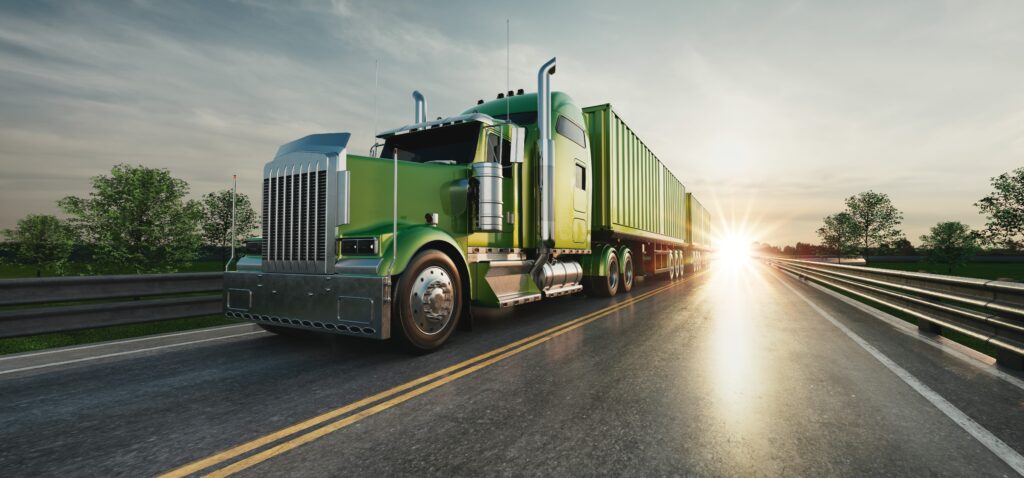
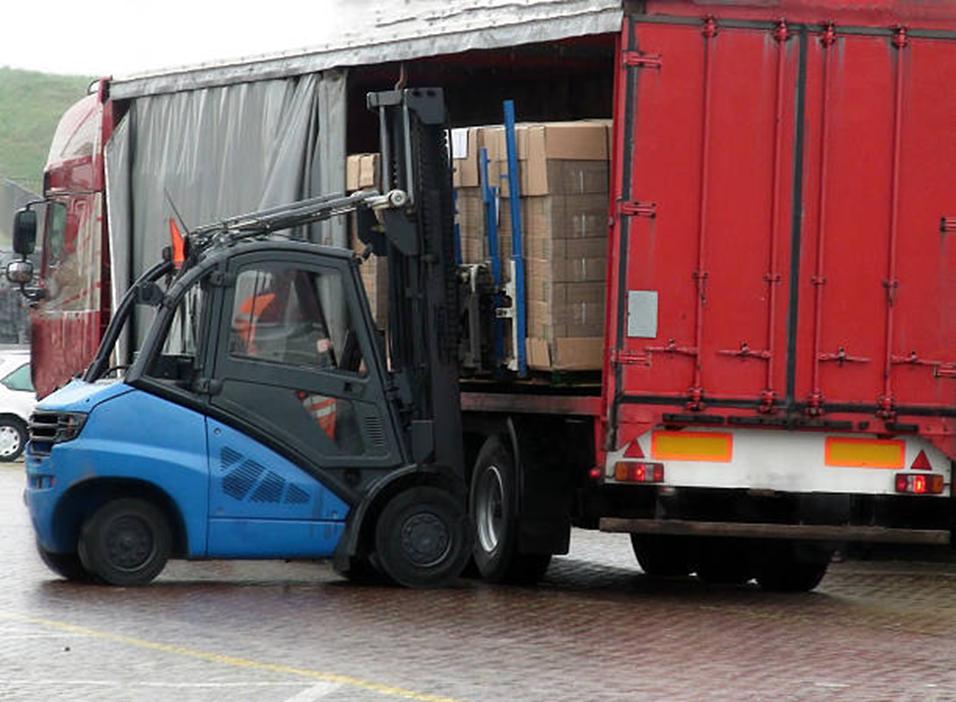
Freight transportation plays a central role in modern supply chains. Businesses across industries depend on reliable logistics to move goods from manufacturing facilities to distribution centers, warehouses, and retail locations. Among the many transportation options available today, Full Truckload (FTL) shipping remains one of the most efficient methods for moving large shipments across long distances.
FTL shipping involves dedicating an entire truck to a single shipment. This approach reduces handling, speeds up delivery, and improves shipment security. Companies that rely on large-volume shipments often integrate FTL solutions into their logistics strategies as part of broader freight shipping services.
Many industries also combine FTL transportation with specialized equipment such as flatbed trucking services when transporting oversized, heavy, or irregular cargo.
Organizations like ACV Freight LLC operate within this logistics ecosystem by coordinating transportation solutions that align with the operational needs of modern supply chains. Understanding how FTL works and when it is most effective can help businesses make better shipping decisions.
This guide explores Full Truckload freight services in detail, including how they operate, their advantages, and the role they play within freight shipping services.
Understanding Full Truckload (FTL) Freight Services
Full Truckload freight services refer to shipments that occupy the entire capacity of a truck. Instead of sharing space with other shipments, a single customer uses the full trailer.
FTL shipments are typically used when:
- Cargo volume fills most or all of the trailer
- Delivery deadlines require direct transit
- Products are sensitive to handling
- Shipment security is a priority
Unlike consolidated freight solutions, FTL shipments travel directly from pickup to delivery without intermediate stops or transfers.
In many freight shipping services, FTL transportation is selected when the shipment weight exceeds approximately 10,000 pounds or when cargo volume requires a full trailer.
Logistics providers such as ACV Freight LLC help coordinate these shipments by matching freight requirements with available carriers and appropriate equipment.
How FTL Shipping Works in Freight Transportation
Understanding the process behind FTL shipping helps businesses plan their logistics more efficiently.
1. Shipment Booking
The process begins when a shipper requests transportation for a large shipment. Details such as cargo type, weight, pickup location, delivery location, and equipment requirements are provided.
2. Carrier Assignment
A carrier with the appropriate trailer type is assigned. Depending on the cargo, this could include dry vans, refrigerated trucks, or flatbed trucking services.
3. Freight Pickup
The truck arrives at the pickup location and the cargo is loaded onto the trailer. Because the entire truck is dedicated to one shipment, loading procedures are often more streamlined.
4. Direct Transit
The truck travels directly to the delivery destination without transferring freight between terminals.
5. Delivery
The shipment arrives at the destination and is unloaded by the receiving facility.
Logistics providers like ACV Freight LLC often coordinate these steps to ensure efficient scheduling and communication between shippers and carriers.
Key Benefits of Full Truckload Freight Services
FTL transportation offers several advantages that make it a preferred option for many large-scale shipments.
- Faster Transit Times: Since FTL shipments travel directly from pickup to delivery without multiple stops, they often reach destinations faster than shared freight.
- Reduced Handling: Freight is loaded once and unloaded once. This significantly reduces the risk of product damage during transit.
- Greater Security: Because the shipment remains sealed within a dedicated trailer, the risk of loss or contamination is minimized.
- Cost Efficiency for Large Shipments: For shipments that occupy most of a trailer, FTL shipping can be more economical than paying for multiple smaller freight shipments.
Freight logistics companies such as ACV Freight LLC assist businesses in determining when FTL transportation offers the best cost efficiency.
Types of Freight That Commonly Use FTL Shipping
FTL freight services are used across many industries. The type of cargo transported often determines the equipment used.
Common freight categories include:
- Manufacturing materials
- Construction supplies
- Retail distribution goods
- Agricultural products
- Industrial machinery
Large shipments of these goods often require dedicated transportation to maintain delivery schedules and supply chain continuity.
Some shipments also require flatbed trucking services when cargo cannot be enclosed within traditional trailers.
Role of Flatbed Trucking Services in FTL Shipping
Flatbed trailers play a significant role in freight transportation when cargo dimensions exceed the limitations of enclosed trailers.
Flatbed trucking services involve trailers with open platforms that allow freight to be loaded from the sides, rear, or top.
When Flatbed Trucks Are Required
Flatbed equipment is commonly used for:
- Construction materials
- Steel structures
- Machinery
- Lumber
- Oversized equipment
These shipments cannot fit inside standard trailers due to height, width, or shape restrictions.
Advantages of Flatbed Transportation
Flatbed trucking services provide several operational benefits:
- Easy loading using cranes or forklifts
- Ability to transport oversized freight
- Flexible cargo configurations
Companies like ACV Freight LLC coordinate flatbed transportation for industries that require specialized freight handling.
FTL vs LTL Freight Shipping
Businesses often compare Full Truckload (FTL) and Less Than Truckload (LTL) shipping when planning transportation strategies.
Below is a simplified comparison.
| Feature | FTL Shipping | LTL Shipping |
| Trailer Usage | Entire trailer used by one shipment | Shared trailer with multiple shipments |
| Transit Time | Usually faster | Slower due to multiple stops |
| Handling | Minimal handling | Multiple transfers |
| Best For | Large shipments | Smaller shipments |
| Cost Efficiency | Ideal for high-volume freight | Cost effective for smaller loads |
Freight shipping services typically offer both options depending on shipment size and urgency.
Logistics providers such as ACV Freight LLC help businesses evaluate these choices based on cargo requirements.
Industries That Depend on FTL Freight Services
FTL transportation supports several sectors that rely on consistent movement of large shipments.
- Manufacturing: Manufacturers ship raw materials and finished products in bulk quantities to distribution centers.
- Construction: Construction projects require large quantities of materials including steel, lumber, and equipment. These shipments often use flatbed trucking services.
- Agriculture: Agricultural producers transport crops, fertilizers, and farming equipment using FTL freight.
- Automotive: The automotive industry depends on dedicated truckload shipments for parts distribution between manufacturing facilities.
Companies like ACV Freight LLC often coordinate freight movements across these industries.
Best Practices for Choosing Reliable Freight Shipping Services
Selecting the right freight partner is important for maintaining supply chain efficiency.
Businesses should consider several factors.
- Carrier Network: A strong carrier network improves load availability and reduces delays.
- Equipment Options: Freight providers should offer multiple trailer types including dry vans and flatbed trucking services.
- Compliance and Safety: Transportation companies must follow safety standards and regulatory requirements.
- Communication and Visibility: Real-time tracking and shipment updates improve logistics coordination.
Organizations such as ACV Freight LLC focus on matching shippers with carriers that meet operational requirements.
Technology in Modern Freight Shipping Services
Logistics technology has significantly improved freight operations in recent years.
- Route Optimization: Advanced software helps identify efficient routes that reduce fuel consumption and delivery times.
- GPS Tracking: Real-time tracking allows businesses to monitor shipment locations and estimated arrival times.
- Freight Management Platforms: Digital freight management systems allow companies to schedule shipments, manage documentation, and track logistics performance.
These technologies help freight shipping services operate more efficiently while improving supply chain transparency.
Challenges in Full Truckload Shipping
While FTL transportation offers many advantages, the industry also faces several challenges.
- Fuel Price Fluctuations: Fuel costs directly impact freight transportation pricing.
- Driver Shortages: The trucking industry periodically experiences shortages of qualified drivers.
- Seasonal Demand: Peak shipping seasons can create temporary capacity shortages.
Logistics providers such as ACV Freight LLC often work to manage these challenges through planning and carrier coordination.
How Businesses Can Optimize Their FTL Freight Strategy
Businesses can improve transportation efficiency by developing a structured FTL strategy.
- Optimize Load Planning: Proper load planning ensures that trailer space is used efficiently.
- Schedule Shipments Strategically: Coordinating shipments based on production cycles reduces last-minute transportation requests.
- Work With Experienced Logistics Providers: Freight coordinators help match shipments with appropriate equipment and carriers.
Companies such as ACV Freight LLC assist businesses in developing logistics strategies that align with supply chain operations.
Conclusion
Full Truckload freight services remain a core component of modern freight transportation. By dedicating an entire trailer to a single shipment, businesses can reduce handling, improve delivery times, and maintain better cargo security.
FTL shipping is particularly valuable for high-volume freight, industrial shipments, and specialized cargo that requires flatbed trucking services. Understanding when to use FTL instead of other transportation options allows businesses to optimize logistics efficiency.
Freight providers such as ACV Freight LLC operate within this logistics framework by coordinating truckload shipments across various industries. As supply chains continue to expand and demand for efficient transportation grows, FTL freight services will remain a critical part of freight shipping services.
Businesses seeking to improve their logistics operations should evaluate their shipping volumes, cargo types, and delivery requirements. For more information about transportation solutions or shipment coordination, businesses can contact us to discuss their logistics requirements.
FAQ Section
What is Full Truckload (FTL) shipping?
Full Truckload shipping refers to freight transportation where a single shipment occupies an entire truck trailer. The shipment travels directly from pickup to delivery without sharing space with other freight.
When should businesses use FTL freight services?
Businesses typically use FTL shipping when shipments are large, exceed approximately 10,000 pounds, or require direct transportation with minimal handling.
How do flatbed trucking services differ from standard trucking?
Flatbed trucking services use open trailers designed to transport oversized or irregular cargo that cannot fit inside enclosed trailers.
Is FTL faster than LTL shipping?
Yes. FTL shipments usually travel directly from origin to destination, which reduces transit time compared to Less Than Truckload shipping that involves multiple stops.
What industries commonly use FTL freight services?
Industries such as manufacturing, construction, agriculture, and automotive frequently rely on FTL transportation to move bulk shipments efficiently.