
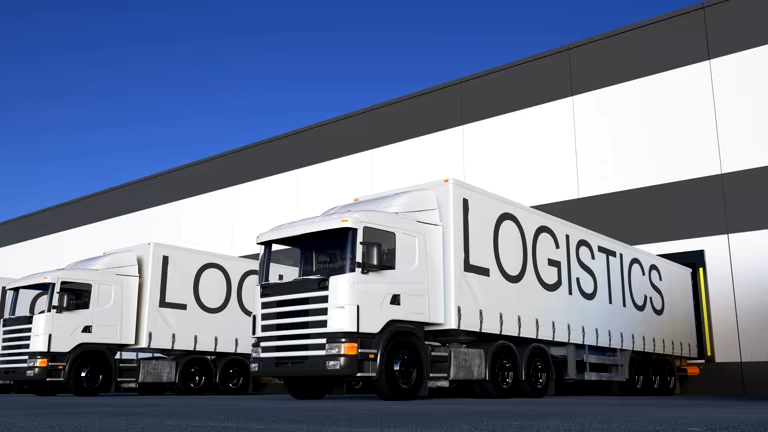
Choosing between FTL vs LTL Freight is a critical decision for businesses that ship goods regularly. The right shipping method can influence cost efficiency, delivery timelines, risk exposure, and operational planning.
Both full truckload and less than truckload shipping serve important roles in domestic freight transportation. However, they differ significantly in structure, pricing models, handling requirements, and ideal use cases.
This guide explains the differences, benefits, limitations, and decision factors to help businesses select the most appropriate freight option. It also explores relevant Truck Types and how companies such as ACV Freight LLC coordinate transportation solutions based on shipment requirements.
Understanding FTL vs LTL Freight
Freight transportation generally falls into two primary categories:
- FTL, or full truckload
- LTL, or less than truckload
The distinction lies in how trailer space is used and how shipments are consolidated.
Understanding these two models allows businesses to plan shipments more effectively and align logistics with operational goals.
What Is FTL Freight?
FTL stands for full truckload. In this shipping method, a single shipment occupies an entire trailer. The truck typically moves directly from the pickup location to the delivery destination without additional stops.
Key Characteristics of FTL Freight
- Exclusive use of trailer space
- Minimal handling during transit
- Faster transit times in most cases
- Suitable for large shipments
FTL is often selected when shipments weigh more than 10,000 pounds or fill most of a 53-foot trailer.
Because the truck carries only one shipment, the risk of damage caused by cross-handling is generally lower.
What Is LTL Freight?
LTL stands for less than truckload. This method consolidates multiple shipments from different businesses into a single trailer.
Each shipment occupies a portion of the trailer and is transported through a hub-and-spoke network.
Key Characteristics of LTL Freight
- Shared trailer space
- Cost allocation based on space and weight
- Multiple stops and transfer points
- Ideal for smaller shipments
LTL freight works well for shipments that weigh between 150 and 10,000 pounds and do not require exclusive trailer use.
Key Differences Between FTL and LTL
The table below highlights core differences between FTL vs LTL Freight.
| Feature | FTL Freight | LTL Freight |
|---|---|---|
| Trailer Usage | Entire trailer dedicated | Shared with other shipments |
| Transit Time | Usually direct | Often includes stops |
| Handling | Minimal | Multiple transfer points |
| Cost Structure | Flat rate per truck | Based on weight and space |
| Ideal Shipment Size | Large loads | Small to medium loads |
| Risk of Damage | Lower | Slightly higher due to handling |
Understanding these differences helps businesses match shipping methods to operational needs.
Cost Comparison
Cost is often the primary deciding factor.
FTL Pricing
FTL rates are generally calculated per mile. Factors include:
- Distance
- Fuel costs
- Equipment type
- Market demand
Although the total cost may be higher, the per-unit shipping cost may be lower for large shipments.
LTL Pricing
LTL pricing depends on:
- Freight class
- Weight
- Dimensions
- Distance
- Accessorial services
LTL can be more economical for smaller loads because businesses only pay for the portion of trailer space they use.
ACV Freight LLC assists businesses in evaluating shipment data to determine the most cost-effective option.
Transit Time and Delivery Speed
Transit speed varies between FTL and LTL.
FTL Transit Time
FTL shipments usually travel directly from origin to destination. This reduces delays and shortens delivery windows.
LTL Transit Time
LTL freight moves through distribution hubs. Each stop adds handling and potential delay.
If time sensitivity is a priority, FTL may be more suitable. If cost savings are more important and delivery flexibility exists, LTL may be appropriate.
Freight Handling and Risk Considerations
Handling frequency impacts shipment condition.
FTL Handling
Freight is typically loaded once and unloaded once. This reduces exposure to potential damage.
LTL Handling
Freight may be transferred between trucks or terminals multiple times. Proper packaging becomes essential.
Businesses shipping fragile goods often consider FTL to minimize risk.
Truck Types Used in FTL and LTL
Different Truck Types serve various freight requirements.
Common FTL Truck Types
- Dry van trailers
- Refrigerated trailers
- Flatbed trailers
- Step deck trailers
Common LTL Equipment
- Standard dry vans
- Liftgate trucks for residential deliveries
Choosing the correct equipment ensures freight safety and compliance. ACV Freight LLC coordinates shipments using appropriate Truck Types based on cargo dimensions and handling requirements.
To understand equipment configurations visually, businesses may review available fleet examples in Our Gallery section on the company website.
When Should You Choose FTL?
FTL may be the best option when:
- Shipments exceed 10,000 pounds
- Freight fills most of a trailer
- Delivery deadlines are strict
- Cargo is fragile or high value
- Direct routing is required
FTL also works well for long-distance routes where consolidation would add delays.
When Should You Choose LTL?
LTL may be ideal when:
- Shipments are small
- Budget constraints exist
- Delivery timelines are flexible
- Frequent smaller shipments are required
LTL allows businesses to ship goods without waiting to accumulate a full truckload.
Environmental Considerations
Sustainability is increasingly relevant in logistics decisions.
LTL shipping can reduce environmental impact by consolidating multiple shipments into one truck. This maximizes trailer capacity and reduces empty miles.
FTL, while less consolidated, may still offer efficiency advantages when shipping large volumes in a single trip.
Evaluating route planning and shipment frequency can help optimize environmental performance.
The Role of Freight Brokerage in FTL and LTL
Freight brokers coordinate both FTL and LTL shipments by:
- Matching freight with suitable carriers
- Negotiating competitive rates
- Managing documentation
- Monitoring transit progress
ACV Freight LLC supports businesses by analyzing shipment details and recommending either FTL or LTL based on operational requirements.
By managing communication and compliance, ACV Freight LLC simplifies freight coordination across different shipment types.
Planning Freight Strategically
To choose between FTL vs LTL Freight, businesses should evaluate:
Shipment Volume
How much space does the freight occupy?
Delivery Timeline
Is speed critical?
Budget Constraints
Is cost per shipment the primary concern?
Product Sensitivity
Does the cargo require limited handling?
Frequency of Shipments
Are shipments regular or seasonal?
Careful analysis leads to informed logistics decisions.
How ACV Freight LLC Supports Freight Decisions
ACV Freight LLC provides structured freight coordination by reviewing shipment size, route, and delivery expectations.
The company works with established carrier networks and evaluates suitable Truck Types for each shipment category.
Businesses can also explore Our Gallery section to understand equipment configurations and transportation setups used in various shipping scenarios.
Through consistent coordination and compliance management, ACV Freight LLC assists companies in maintaining reliable transportation planning without unnecessary complexity.
Conclusion
Understanding FTL vs LTL Freight is essential for effective logistics planning. Each shipping method offers distinct advantages depending on shipment size, urgency, and budget considerations.
FTL provides exclusive trailer use and faster transit, while LTL offers cost efficiency for smaller shipments. Evaluating operational priorities ensures the right decision.
By coordinating shipments across various Truck Types and providing structured logistics support, ACV Freight LLC helps businesses manage freight transportation efficiently. Reviewing resources such as Our Gallery can further clarify equipment options and shipping configurations. If you would like to discuss specific shipment needs or explore available freight solutions, contact us at ACV Freight LLC for detailed information.
Careful freight planning strengthens supply chain performance and supports long-term operational stability.
Frequently Asked Questions
What is the main difference between FTL and LTL freight?
FTL uses an entire truck for one shipment, while LTL combines multiple shipments in one trailer.
Is FTL always faster than LTL?
In most cases, FTL is faster because it travels directly to the destination without multiple stops.
When is LTL more cost effective?
LTL is usually more economical for small shipments that do not require a full trailer.
What shipment size qualifies for FTL?
Shipments over 10,000 pounds or those occupying most of a trailer typically qualify for FTL.
Do both methods use different truck types?
Yes. Various Truck Types are selected depending on cargo size, weight, and special handling requirements.
How can businesses decide which option is best?
Businesses should compare cost, timeline, shipment size, and risk tolerance before choosing between FTL vs LTL Freight.
Here’s the FAQPage schema markup in JSON-LD format for your FTL vs LTL freight questions. It’s structured to match Google’s guidelines for rich snippets, using your exact Q&A phrasing with minor capitalization tweaks for consistency.