
Freight transportation plays a major role in supply chain operations, but obtaining accurate freight quotes can often become a time-consuming process. Delayed quotes, incorrect shipment details, and changing transportation rates can all impact shipping costs and operational efficiency.
For businesses managing regular shipments, improving the speed and accuracy of freight quotes helps reduce unexpected expenses and improves logistics planning. This is especially important when handling Full Truckload Freight, where pricing depends on multiple operational factors.
This guide explains how businesses can get accurate freight quotes faster while improving shipping efficiency and reducing delays.
Why Accurate Freight Quotes Matter
Accurate freight quotes are essential for budgeting, delivery planning, and maintaining smooth transportation operations. Inaccurate estimates can lead to billing disputes, shipment delays, or unexpected surcharges.
Businesses that rely on freight transportation often use quotes to:
- Estimate shipping expenses
- Compare carrier options
- Schedule deliveries
- Improve inventory planning
- Reduce operational disruptions
For companies shipping large volumes, even small quote discrepancies can create significant cost differences over time.
Accurate quoting also improves communication between shippers, carriers, and logistics providers. Companies like ACV Freight LLC focus on improving shipment visibility and reducing inconsistencies during freight coordination.
Key Information Needed for Accurate Freight Quotes
Freight providers can only generate precise shipping estimates when shipment information is complete and accurate.
Below are the most important details required during the quote process.
Shipment Dimensions and Weight
Freight dimensions directly affect pricing calculations. Carriers use shipment size, pallet count, and total weight to determine available trailer space and transportation requirements.
Important details include:
| Shipment Information | Why It Matters |
|---|---|
| Weight | Impacts transportation cost |
| Dimensions | Determines trailer capacity |
| Number of pallets | Affects loading space |
| Packaging type | Influences handling needs |
Incorrect dimensions often result in additional freight charges after delivery.
Pickup and Delivery Locations
Shipping distance significantly affects freight pricing. Carriers also consider:
- Urban vs rural delivery areas
- Dock accessibility
- Regional fuel costs
- Traffic conditions
- State transportation regulations
Providing exact addresses helps avoid inaccurate estimates and delivery complications.
Freight Type and Handling Requirements
Different freight categories require different transportation methods.
Examples include:
- Temperature-sensitive products
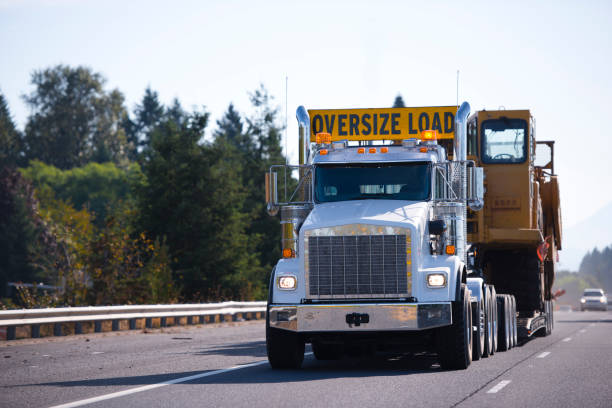
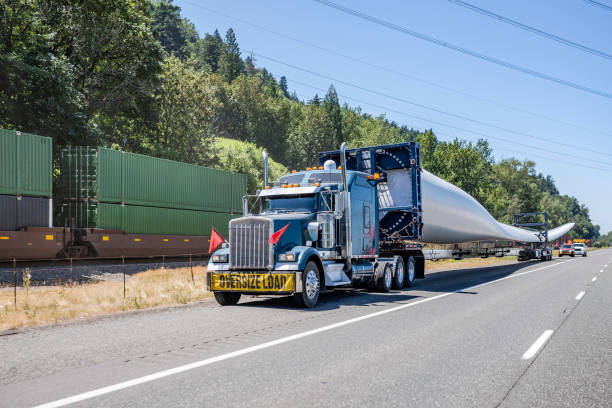
- Oversized equipment
- Fragile goods
- Hazardous materials
- High-value shipments
Special handling instructions should always be included in quote requests.
Delivery Timeline
Urgent shipments typically cost more than standard transit deliveries. Businesses should specify:
- Preferred pickup dates
- Delivery deadlines
- Flexible scheduling options
- Weekend delivery requirements
Clear timelines help carriers provide realistic freight shipping rates.
Common Reasons Freight Quotes Get Delayed or Incorrect
Several avoidable issues contribute to inaccurate freight quotes.
Missing Shipment Details
Incomplete shipment information is one of the most common causes of delayed quotes. Missing dimensions, weight inaccuracies, or unclear addresses force carriers to request additional clarification before finalizing pricing.
Incorrect Freight Classification
Freight classification affects pricing, handling, and trailer requirements. Incorrect classifications can lead to reweigh fees or invoice adjustments later.
Businesses should ensure product descriptions and classifications are updated before requesting quotes.
Last-Minute Schedule Changes
Freight rates fluctuate based on capacity, fuel costs, and demand. Sudden schedule changes may increase transportation costs or reduce available carrier options.
Planning shipments earlier improves pricing consistency.
How Full Truckload Freight Simplifies the Quoting Process
Many businesses choose Full Truckload Freight because it offers more predictable pricing and simplified transportation planning.
For shipments large enough to occupy an entire trailer, Full Truckload Freight reduces handling complexity and often improves transit efficiency.
Businesses can learn more about Full Truckload Freight services through ACV Freight LLC’s
Fewer Handling Risks
Since shipments remain on a single trailer throughout transit, Full Truckload Freight reduces:
- Product handling
- Damage risks
- Transfer delays
- Misrouting issues
This helps improve shipment reliability.
Faster Transit Planning
FTL shipments generally move directly from pickup to delivery without multiple terminal stops. This simplifies scheduling and helps businesses receive faster quote turnaround times.
Predictable Pricing
Because an entire trailer is reserved for one shipment, pricing is often easier to estimate compared to shared-load transportation models.
ACV Freight LLC works with businesses to streamline freight coordination and improve shipment visibility across transportation routes.
Tips to Get Freight Quotes Faster
Businesses can improve quote accuracy and reduce delays by following a few operational best practices.
Use Consistent Shipment Data
Maintaining standardized shipment information helps eliminate repeated corrections.
Useful practices include:
- Saving shipment templates
- Using digital inventory records
- Verifying pallet dimensions
- Updating product weights regularly
Consistent data improves quoting efficiency.
Work With Reliable Freight Partners
Experienced freight providers understand market conditions, transportation regulations, and capacity trends.
A reliable logistics partner can:
- Reduce communication delays
- Improve quote turnaround times
- Provide more accurate pricing estimates
- Identify suitable transportation options
ACV Freight LLC supports businesses with freight coordination strategies designed to improve transportation planning.
Digitize Shipping Documentation
Manual paperwork often slows down freight operations. Using digital shipping systems improves accuracy and reduces administrative errors.
Examples include:
- Electronic bills of lading
- Digital shipment tracking
- Automated freight management systems
- Cloud-based inventory records
Digital systems also improve communication between shipping teams and carriers.
Plan Shipments in Advance
Early scheduling helps businesses secure better transportation availability and more stable pricing.
Benefits of advance planning include:
- Reduced rush fees
- Better carrier availability
- Improved delivery scheduling
- Lower risk of unexpected rate increases
Businesses shipping during peak seasons especially benefit from earlier freight coordination.
Comparing Manual vs Digital Freight Quote Processes
Modern logistics systems have significantly improved freight quote speed and accuracy.
| Process Type | Manual Process | Digital Process |
|---|---|---|
| Data entry | Paper-based | Automated |
| Quote speed | Slower | Faster |
| Error risk | Higher | Lower |
| Shipment tracking | Limited | Real-time |
| Documentation | Manual filing | Cloud-based storage |
Digital freight management tools help businesses reduce delays and improve operational efficiency.
Companies handling frequent Full Truckload Freight shipments often benefit from integrated transportation management systems.
Choosing the Right Freight Partner
Selecting the right freight provider affects both pricing accuracy and shipment reliability.
Businesses should evaluate providers based on:
- Industry experience
- Shipment visibility tools
- Carrier network availability
- Communication responsiveness
- Freight specialization
- Technology capabilities
A freight partner should provide clear communication and realistic pricing expectations rather than overly aggressive estimates.
ACV Freight LLC supports freight operations by helping businesses improve shipment coordination and transportation planning across different shipping requirements.
Conclusion
Getting accurate freight quotes faster requires complete shipment information, consistent documentation, and efficient transportation planning. Businesses that improve shipment accuracy can reduce unexpected costs, avoid delays, and streamline logistics operations.
Using Full Truckload Freight can further simplify freight coordination by providing predictable transportation planning and reduced handling complexity.
ACV Freight LLC helps businesses improve freight management processes through organized shipping coordination and reliable logistics support. For more information about freight solutions and transportation planning, contact us today.
Frequently Asked Questions
What is the most important factor in getting an accurate freight quote?
Accurate shipment dimensions and weight are among the most important factors. Incorrect measurements can lead to pricing adjustments and delivery delays.
Why do freight quotes change frequently?
Freight shipping rates can change due to fuel costs, market demand, carrier availability, and seasonal shipping volume.
How does Full Truckload Freight improve quote accuracy?
Full Truckload Freight simplifies pricing because one shipment occupies the entire trailer, reducing shared-load variables and handling complexity.
Can digital systems speed up freight quotes?
Yes. Digital freight management systems improve data accuracy, automate calculations, and reduce manual communication delays.
How early should businesses request freight quotes?
Requesting freight quotes several days in advance helps improve carrier availability and pricing stability.