In today’s supply chain environment, businesses are constantly looking for ways to improve efficiency while managing expenses. Rising fuel prices, labor shortages, and increasing demand for timely deliveries have made long haul shipping more complex than ever. One solution gaining steady attention is intermodal freight transportation, a method that combines multiple modes of transport to move goods more efficiently.
For companies relying on freight shipping services, intermodal solutions offer a practical way to reduce costs without compromising reliability. By strategically integrating rail and trucking, businesses can streamline operations and gain better control over long distance logistics.
This article explores how intermodal freight works, why it is cost effective, and how companies such as ACV Freight LLC support businesses in optimizing long haul transportation.
Understanding Long Haul Shipping Challenges
Long haul shipping refers to transporting goods over extended distances, often across regions or countries. While it is essential for supply chain continuity, it presents several challenges:
Rising Fuel Costs
Fuel is one of the largest expenses in trucking. Long distances amplify this cost, making traditional trucking less economical over time.
Driver Shortages
The logistics industry continues to face a shortage of qualified drivers, leading to increased wages and scheduling constraints.
Equipment Wear and Tear
Long distance trucking increases maintenance needs, impacting operational budgets.
Delivery Delays
Traffic congestion, weather conditions, and route inefficiencies can affect delivery timelines.
These challenges make it necessary to explore alternative long haul logistics solutions that can improve cost efficiency.
What is Intermodal Freight Transportation
Intermodal freight transportation involves moving goods using two or more modes of transportation without handling the cargo itself when changing modes. Typically, this includes a combination of:
- Truck transport for first and last mile delivery
- Rail transport for long distance movement
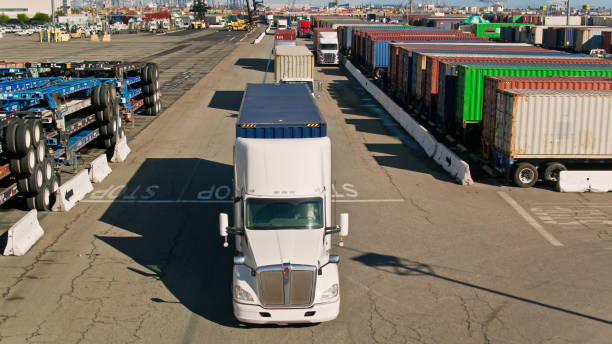
The cargo is stored in standardized containers that can be transferred easily between trucks and trains. This reduces the need for repeated loading and unloading, minimizing risks and delays.
Key Components of Intermodal Shipping
Understanding how intermodal freight works requires familiarity with its core components.
Containers
Standardized containers are used to transport goods across different modes. These containers ensure consistency and protect cargo.
Rail Networks
Rail plays a central role in long distance transport due to its fuel efficiency and capacity.
Drayage Services
Drayage refers to short distance trucking that connects warehouses, ports, and rail terminals.
Terminals
Intermodal terminals facilitate the transfer of containers between transportation modes.
Freight shipping services providers coordinate these elements to create a seamless transportation process.
How Intermodal Freight Reduces Costs
Cost reduction is one of the main reasons businesses adopt intermodal freight. Below are the key ways it helps lower expenses.
Fuel Efficiency
Rail transport is significantly more fuel efficient than trucking. Trains can move large volumes of cargo using less fuel per ton mile. This efficiency translates into lower transportation costs, especially for long distances.
Lower Labor Costs
Intermodal shipping reduces dependence on long haul truck drivers. Since rail handles the majority of the journey, fewer drivers are needed, which helps control labor expenses.
Reduced Equipment Expenses
Using rail for long distances decreases wear and tear on trucks. This reduces maintenance costs and extends the lifespan of equipment.
Minimized Cargo Handling
Because containers are not repeatedly unloaded and reloaded, the risk of damage is reduced. This leads to fewer claims and associated costs.
Improved Capacity Utilization
Rail networks can carry a large number of containers in a single trip. This allows businesses to move more goods at a lower per unit cost.
Companies like ACV Freight LLC help businesses identify routes and strategies that maximize these cost benefits while maintaining service quality.
Comparison Table: Intermodal vs Traditional Trucking
| Factor | Intermodal Freight | Traditional Trucking |
| Fuel Efficiency | High due to rail usage | Lower for long distances |
| Cost for Long Hauls | More economical | Higher operational costs |
| Transit Time | Slightly longer in some cases | Faster for short distances |
| Environmental Impact | Lower emissions | Higher emissions |
| Cargo Handling | Minimal handling | Multiple handling points |
| Scalability | High capacity via rail | Limited by truck availability |
Environmental and Operational Benefits
Beyond cost savings, intermodal freight also provides environmental and operational advantages.
Reduced Carbon Emissions
Rail transport produces fewer greenhouse gas emissions compared to trucks. This makes intermodal shipping a more sustainable option.
Better Network Reliability
Rail networks are less affected by traffic congestion, leading to more predictable transit times.
Improved Supply Chain Flexibility
Combining multiple modes allows businesses to adapt routes based on demand and availability.
These benefits align with the growing need for sustainable and efficient freight shipping services.
When to Choose Intermodal Freight
Intermodal freight is not suitable for every shipment. Businesses should consider it under specific conditions.
Ideal Scenarios
- Shipments traveling long distances
- Non urgent deliveries
- High volume cargo
- Routes with strong rail connectivity
Situations Where Trucking May Be Better
- Short distance shipments
- Time sensitive deliveries
- Locations without rail access
A balanced approach often works best, where businesses combine intermodal and trucking based on shipment needs. ACV Freight LLC supports such hybrid strategies to improve efficiency.
Role of Freight Shipping Services Providers
Freight shipping services providers play a critical role in implementing intermodal solutions. Their responsibilities include:
- Route planning and optimization
- Coordinating between rail and trucking partners
- Managing documentation and compliance
- Tracking shipments in real time
By working with experienced providers like ACV Freight LLC, businesses can navigate the complexities of intermodal logistics more effectively.
How ACV Freight LLC Supports Cost Efficient Logistics
ACV Freight LLC offers solutions designed to help businesses optimize long haul transportation. Their approach includes:
Strategic Planning
They analyze shipping routes and recommend intermodal options that reduce costs.
Network Coordination
They coordinate between different transportation modes to ensure smooth transitions.
Customized Solutions
Each business has unique needs, and ACV Freight LLC develops tailored strategies accordingly.
Operational Transparency
Clear communication and tracking help businesses stay informed throughout the shipping process.
By integrating these practices, ACV Freight LLC contributes to efficient and cost-effective freight shipping services.
Common Misconceptions About Intermodal Freight
Despite its benefits, intermodal freight is often misunderstood.
It is Always Slower
While intermodal shipping can take slightly longer, the difference is often minimal for long distances and can be offset by cost savings.
It is Complicated
With the right logistics partner, intermodal shipping can be managed efficiently without added complexity.
It is Only for Large Businesses
Small and medium sized businesses can also benefit from intermodal solutions, especially when shipping in bulk.
Best Practices for Businesses
To make the most of intermodal freight, businesses should follow certain best practices.
Plan Ahead
Intermodal shipping requires scheduling, so early planning is essential.
Choose the Right Partner
Working with experienced providers like ACV Freight LLC ensures better coordination.
Optimize Packaging
Using standardized containers improves efficiency and reduces handling risks.
Monitor Performance
Regularly tracking shipments helps identify areas for improvement.
Conclusion
Intermodal freight offers a practical solution for reducing long haul transportation costs while improving efficiency and sustainability. By combining rail and trucking, businesses can benefit from lower fuel consumption, reduced labor expenses, and improved capacity utilization.
For companies seeking reliable freight shipping services, intermodal transportation presents a balanced approach to managing logistics challenges. With the support of experienced providers like ACV Freight LLC, businesses can implement cost effective strategies tailored to their needs.
To explore how intermodal freight can fit into your logistics strategy, consider evaluating your current shipping patterns and working with experts who understand the complexities of long-haul transportation. If you are looking for guidance or tailored solutions, contact us to learn more.
FAQ Section
What is intermodal freight transportation
Intermodal freight transportation involves using multiple modes of transport, such as rail and trucks, to move goods without handling the cargo during transfers.
How does intermodal freight reduce costs
It reduces costs through fuel efficiency, lower labor requirements, reduced equipment wear, and minimal cargo handling.
Is intermodal freight slower than trucking
It can be slightly slower in some cases, but for long haul shipments, the difference is often minimal and offset by cost savings.
What types of goods are suitable for intermodal shipping
Nonperishable goods, bulk shipments, and items that do not require urgent delivery are ideal for intermodal transport.
How can businesses start using intermodal freight
Businesses can begin by working with freight shipping services providers like ACV Freight LLC to assess their logistics needs and identify suitable routes.
Is intermodal freight environmentally friendly
Yes, it produces fewer emissions compared to traditional trucking, making it a more sustainable option for long distance shipping.