
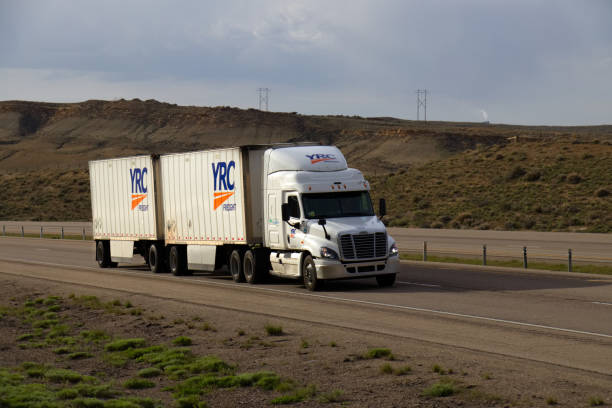
Shipping decisions directly affect cost efficiency, delivery timelines, and operational flexibility. For businesses that do not consistently ship full truckloads, choosing the right freight method becomes essential. One option that often stands out is the ltl delivery service.
Less-than-truckload shipping is designed for businesses that need to transport smaller freight quantities without paying for an entire truck. However, knowing exactly when to choose this option requires a clear understanding of its structure, benefits, and limitations.
This article explains when LTL freight services are the right fit, helping you make informed logistics decisions while maintaining efficiency and cost control.
What is LTL Delivery Service
An ltl delivery service refers to freight transportation that handles shipments smaller than a full truckload. Instead of dedicating an entire truck to one shipment, multiple shipments from different customers share the same trailer.
Each shipper pays only for the portion of space their freight occupies. This shared model makes less than truckload shipping a practical option for small to medium-sized shipments.
LTL freight services typically involve a hub-and-spoke distribution system where shipments are consolidated, sorted, and routed through terminals before reaching their final destination.
Key Features of LTL Freight Services
Understanding how LTL works helps determine when it is the right choice.
Shared Truck Space
Multiple shipments are combined into one truck, reducing overall transportation costs.
Freight Classification System
Shipments are categorized based on weight, size, density, and handling requirements.
Terminal Transfers
Freight often moves through multiple terminals before delivery, which impacts transit time.
Flexible Shipment Sizes
Ideal for shipments typically ranging from 150 to 15,000 pounds.
When to Choose LTL Delivery Service
Choosing an ltl delivery service depends on specific shipping needs. Below are the most common scenarios where LTL is the right option.
When You Have Partial Loads
If your shipment does not fill an entire truck, paying for full truckload shipping is inefficient. LTL allows you to share space and reduce costs.
Businesses working with ACV Freight LLC often choose LTL when shipping smaller inventory batches or restocking goods in stages.
When Cost Efficiency is a Priority
Cost savings are one of the primary reasons businesses opt for less than truckload shipping. Since you only pay for the space used, it reduces overall freight expenses.
This is particularly useful for small businesses managing tight logistics budgets.
When You Ship Frequently but in Smaller Quantities
Companies that ship regularly but in smaller volumes benefit from LTL freight services. Instead of waiting to accumulate enough goods for a full truckload, shipments can be sent as needed.
ACV Freight LLC supports such flexible shipping strategies for businesses with dynamic inventory cycles.
When Delivery Time is Flexible
LTL shipments typically take longer than full truckload shipments due to multiple stops and transfers.
If your delivery schedule allows for slightly longer transit times, LTL becomes a practical choice.
When You Need Access to Wider Distribution Networks
LTL carriers operate extensive networks, allowing shipments to reach multiple destinations efficiently. This is especially useful for regional or multi-location deliveries.
Cost Comparison LTL vs Full Truckload
| Factor | LTL Delivery Service | Full Truckload Shipping |
| Cost Structure | Pay per space used | Pay for entire truck |
| Shipment Size | Small to medium | Large shipments |
| Transit Time | Longer due to stops | Faster direct delivery |
| Flexibility | High | Limited |
| Handling | Multiple touchpoints | Minimal handling |
| Best Use Case | Frequent small shipments | Bulk or high-volume shipments |
Benefits of LTL Shipping
Reduced Shipping Costs
By sharing truck space, businesses avoid paying for unused capacity.
Improved Cash Flow
Frequent smaller shipments help maintain steady inventory levels without large upfront logistics costs.
Environmental Efficiency
Consolidated shipping reduces the number of trucks on the road, contributing to lower emissions.
Scalability
As businesses grow, LTL allows gradual scaling of shipping operations without major adjustments.
Companies like ACV Freight LLC help businesses manage these advantages effectively by offering tailored freight solutions.
Limitations to Consider
While LTL offers many benefits, it is important to understand its limitations.
Longer Transit Times
Due to multiple stops and terminal transfers, delivery times can be extended.
Increased Handling
Freight is handled more frequently, which may increase the risk of damage if not properly packaged.
Complex Pricing
Rates depend on various factors such as freight class, distance, and fuel surcharges.
Working with experienced providers like ACV Freight LLC can help navigate these challenges through proper planning and coordination.
Industries That Benefit Most from LTL Freight Services
Certain industries rely heavily on LTL due to their shipping patterns.
Retail and E-commerce
Frequent restocking and multi-location deliveries make LTL ideal.
Manufacturing
Shipping parts and components in smaller batches supports production efficiency.
Healthcare
Medical supplies often require consistent but smaller shipments.
Food and Beverage
Perishable goods are often transported in controlled, smaller loads.
ACV Freight LLC works with businesses across these industries to streamline logistics operations using less than truckload shipping.
How to Optimize Your LTL Shipments
To get the most out of an ltl delivery service, consider the following strategies.
Proper Packaging
Secure packaging reduces the risk of damage during multiple handling stages.
Accurate Freight Classification
Correct classification prevents unexpected charges and delays.
Consolidation Planning
Combining shipments when possible improves cost efficiency.
Scheduling Flexibility
Allowing flexible delivery windows can reduce costs.
Partnering with Reliable Providers
Working with experienced logistics companies such as ACV Freight LLC ensures better coordination and service reliability.
For more information on shipping solutions, you can visit https://acvfreight.com/ to explore available services.
Conclusion
Choosing the right shipping method depends on balancing cost, speed, and shipment size. An ltl delivery service is an effective option for businesses that ship smaller loads, require flexibility, and want to optimize logistics costs.
While it may involve longer transit times and additional handling, the cost savings and scalability make it a valuable solution for many industries. By understanding when to use LTL freight services, businesses can improve efficiency and maintain better control over their supply chain.
ACV Freight LLC plays an important role in helping businesses navigate these logistics decisions with practical and reliable solutions. If you are evaluating your shipping strategy and need guidance, contact us to explore how LTL shipping can fit your operational needs.
Frequently Asked Questions (FAQ)
What is the weight limit for LTL shipping
LTL shipments typically range from 150 pounds to around 15,000 pounds. Anything beyond that may require full truckload shipping.
Is LTL shipping slower than full truckload
Yes, LTL usually takes longer due to multiple stops and terminal handling processes.
How is LTL pricing calculated
Pricing depends on weight, dimensions, freight class, distance, and additional services such as liftgate or residential delivery.
Can fragile items be shipped using LTL
Yes, but proper packaging is essential since shipments are handled multiple times during transit.
When should I avoid using LTL services
LTL may not be ideal for urgent deliveries, extremely fragile items, or shipments that require minimal handling.