
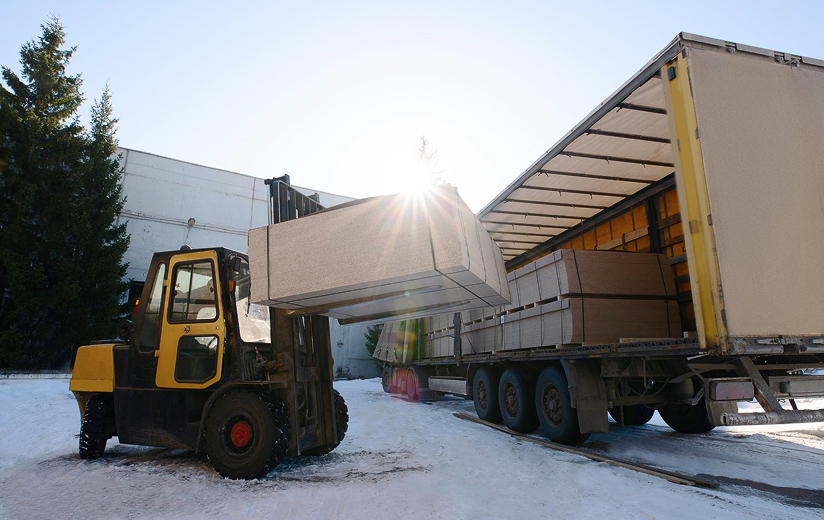
Right-Sized Capacity, Full-Sized Service
When your freight is too large for standard LTL but doesn’t need a full trailer, partials give you the perfect middle ground. ACV Freight builds compatible multi-stop routes so you pay only for the space you use without sacrificing care, visibility, or coordination. Our team manages the timing, handoffs, and updates end-to-end, so you can optimize cost while keeping your schedule on track.
Our Partial Truckload Solutions
- Cost-Efficient Space Sharing
We pair your freight with complementary loads to reduce cost while preserving practical transit times and clear status touchpoints. - Flexible Windows & Routing
We plan around live-load, drop, and appointment requirements and align pickup/delivery to your operating hours. - Consolidation & Pooling
From steady replenishment to one-off projects, we structure consolidations that balance budget with speed and handling needs. - Real-Time Tracking
Stay informed with practical milestone updates and integrated visibility throughout the trip. - Equipment/Truck Types
Dry van, reefer (where applicable), flatbed, step deck, straight truck/box truck, hot shot, and sprinter/cargo van; liftgate and limited-access options available where appropriate.
Typical Shipments & Use Cases
- Palletized B2B replenishment and transfers
- Industrial components and packaging
- Seasonal surges and staged project freight
- Retail/DC flows that don’t fill a trailer
- Temperature-controlled partials (where applicable)
How We Work
- Share your shipment
Origin, destination, timing window, commodity, weight/dimensions, and site notes. - We build the match
We align compatible freight, equipment, and route to balance cost and service. - We coordinate the move
Pickups, handoffs, clear status touchpoints, and delivery confirmation.
Frequently Asked Questions
What’s the difference between LTL and Partial Truckload?
LTL typically moves through terminals with multiple touches and rating rules based on class, pallets, and density. Partials reserve dedicated trailer space alongside other shipments on a linehaul, reducing touches and often improving cost for larger-than-LTL freight. We’ll advise which is the better fit once we see your size, weight, and timing.
How big should a shipment be for partials?
There’s no single cutoff. If your freight is too large or costly for LTL but doesn’t require a full trailer, partials are likely a strong option. Share weight, dimensions, and pallets/pieces, and we’ll recommend the most practical path.
Can you run partials on flatbed, step deck, or reefer?
Often, yes. We arrange partials across dry van, temperature-controlled (where applicable), and open-deck equipment, matched to your commodity and loading needs.
Are partials slower than FTL?
They can be comparable, depending on pairing and route design. We’ll present options that balance timeline, budget, and handling requirements—then keep you updated at practical milestones.
What information speeds up a PTL quote?
Origin/destination, ready date/time window, commodity, exact weight and dimensions, pallet/piece count, preferred equipment, and any site/appointment notes (e.g., forklift or liftgate needs, limited access).